December 1, 2025
Staff Report
ISLAMABAD
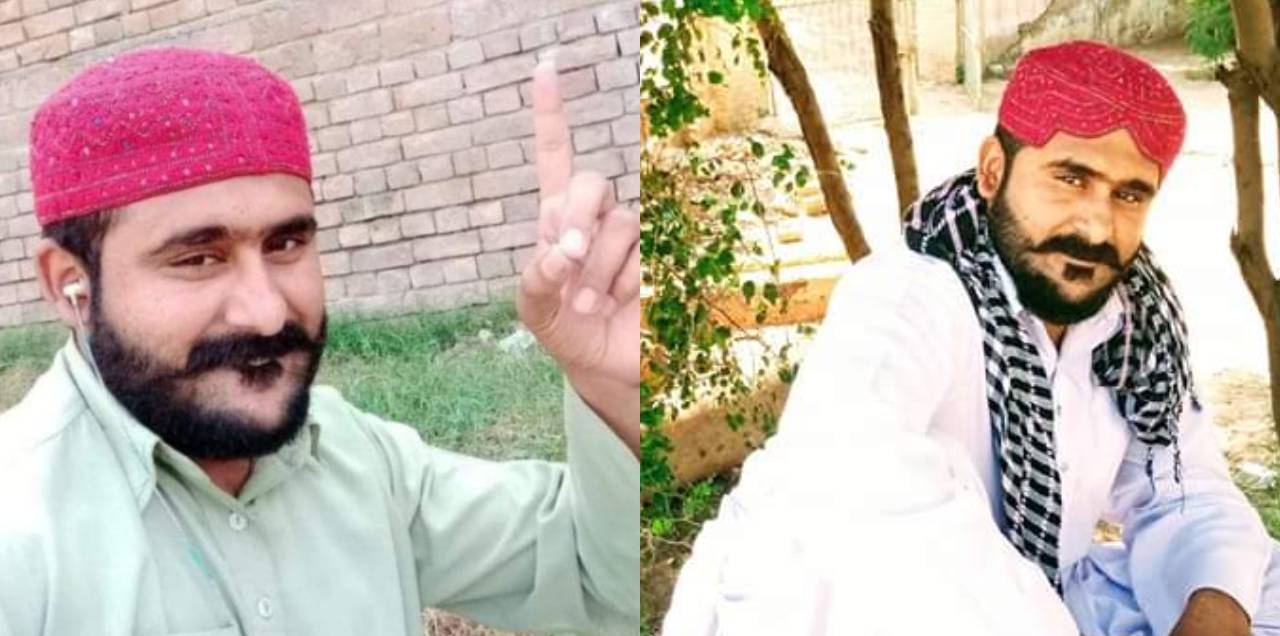
The Supreme Court of Pakistan has upheld the dismissal of police officers involved in the custodial death of a citizen, one Zaryab Khan, ruling that custodial torture and extrajudicial killings are “neither encouraged nor justified under any circumstances” and violate fundamental constitutional rights.
The case involves Head Constable and Constables of the District Police, Dera Ghazi Khan, who were accused of unlawfully detaining Zaryab Khan from June 18 to June 23, 2020, and subjecting him to torture that resulted in his death. While a criminal court acquitted the officers of murder charges “based on benefit of doubt,” a departmental inquiry found them guilty of misconduct.
The inquiry report recommended a penalty of reduction in pay for two years, but the Regional Police Officer (RPO) enhanced the penalty to dismissal. The officers challenged this administrative decision in multiple forums, including the Punjab Service Tribunal, before finally approaching the Supreme Court.
In the verdict, Justice Jamal Khan Mandokhail stated that “torture and other cruel, inhumane, or degrading treatment including outrages upon personal dignity are not permitted in any circumstance, as it is against the human dignity and the rule of law.” The court underscored that “the Constitution imposes a duty upon the State to protect the right to life of every citizen and to prevent custodial violence and killings.”
The court order also said that the right to life has been categorised as the supreme human right, codified in every major human rights treaty. The court noted that to put an end to extrajudicial torture and killings, the police force must be placed under external oversight.
“Sometimes, torture leads to extrajudicial killings by the Police, presuming de facto impunity and as a means of bringing alleged criminals to justice. To stop this practice, an effective, dedicated, external oversight of the Police force is a need of the hour,” the order said.
Reminding Pakistan of its international obligations, the court said that “through Resolution No. 43/173 of the General Assembly adopted by the United Nations General Assembly on 9th December 1988, to which Pakistan is also a signatory, providing a body of principles for the protection of all persons under any form of detention or imprisonment, therefore, internationally, human rights law imposes an absolute prohibition on human rights violations.”
The judgment elaborated that disciplinary proceedings are distinct from criminal liability, noting that “acquittal of an accused official from a criminal charge shall not exonerate him from disciplinary proceedings on account of misconduct.” The Supreme Court affirmed that the actions of the petitioners “amounts to misuse of authority, falling within the definition of grave misconduct,” and that the RPO’s decision to enhance the penalty to dismissal was justified. The court concluded that “such departmental proceedings are necessary to uphold the rule of law and maintain public confidence in State’s institutions.”
Extrajudicial killings and custodial torture remain a persistent human rights concern in Pakistan, particularly in Punjab. According to the Human Rights Commission of Pakistan (HRCP), over 500 alleged police “encounters” resulting in more than 670 deaths have been reported in Punjab alone in 2025. Human rights organisations also document dozens of deaths in police custody nationwide each year, underscoring the urgent need for accountability, external oversight, and strict adherence to constitutional protections to prevent further abuse.